

Mezzanine Systems – One of the Smartest Ways to Expand Warehouse Space
The Problem Hasn’t Changed — The Stakes Have Increased
Industrial and commercial storage and retrieval facilities, such as 3PLs, Distribution Centers, Ecommerce, and warehouses continue to face the same constraint: limited floor space. What has changed is the pressure. Rising real estate costs, longer lease commitments, labour shortages, and tighter delivery timelines mean businesses can no longer afford inefficient layouts.
A mezzanine system remains one of the most cost-effective, fastest, and least disruptive ways to increase usable space — without expanding your building footprint.
What Is an Industrial Mezzanine System?

An industrial mezzanine is a freestanding, engineered steel structure installed within an existing facility to create one or more additional levels of usable space. Unlike permanent construction, mezzanines are modular, scalable, and often relocatable.
Modern mezzanine systems are used for:
- Additional storage or racking
- Order picking and fulfillment
- Production or assembly lines
- Offices, control rooms, or staff areas
- Multi-level shelving and carton flow systems
Key Benefits That Still Make Mezzanines a Smart Investment
- Maximize Vertical Space You’re Already Paying For
Most facilities underutilize vertical clearance. A mezzanine converts unused airspace into productive square footage — often doubling or tripling usable area without increasing rent, property tax, or utility costs. - Avoid the Cost and Disruption of Expansion or Relocation
Building additions, moving facilities, or leasing new space is expensive and time-consuming. A mezzanine can often be designed, engineered, and installed in weeks, not months, while operations continue below. - Modular, Scalable, and Reconfigurable
Modern mezzanine systems are not permanent structures. They can be:- Expanded as your operation grows
- Reconfigured as workflows change
- Disassembled and relocated if you move
- This flexibility makes mezzanines particularly attractive for growing or seasonal operations.
- Designed for Today’s Loads and Use Cases
Mezzanine systems are now commonly engineered to support:- High-density pallet racking
- Shelving and carton flow
- Conveyor integration
- Light manufacturing equipment
- Office build-outs
- Load capacities are customized to your operation — not generic assumptions.
Compliance, Safety, and Engineering Matter More Than Ever
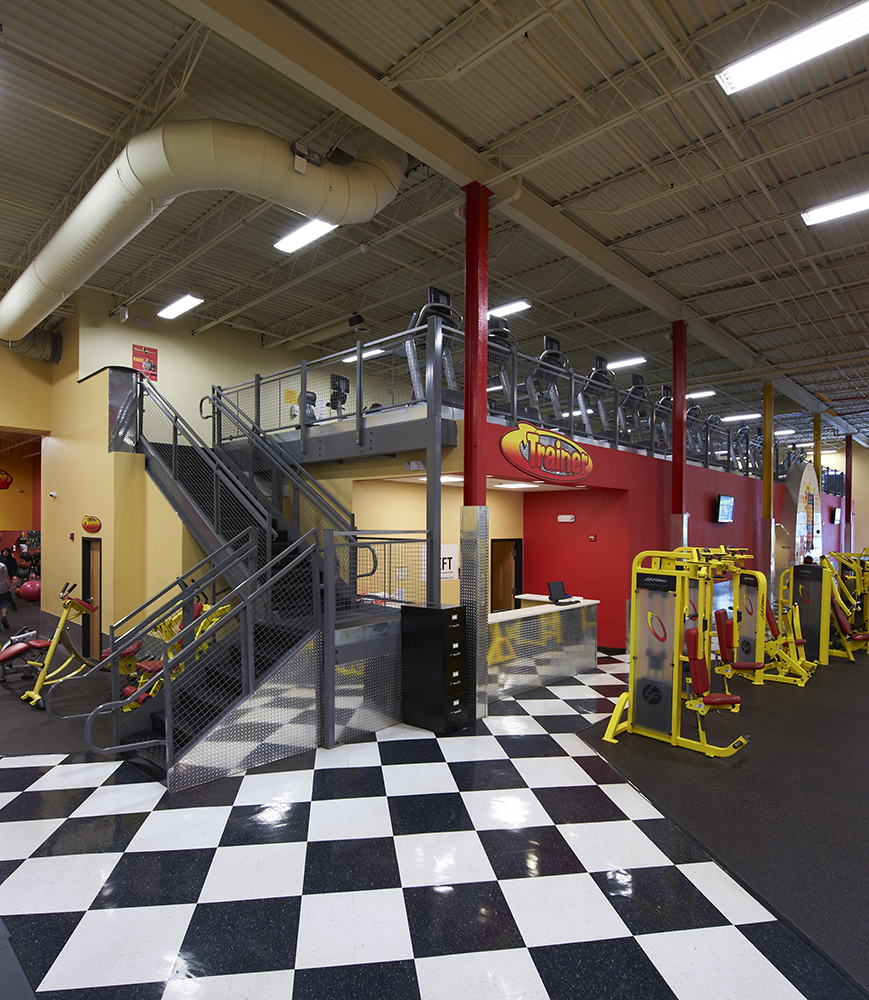
In 2025, mezzanine systems must meet stricter expectations around building codes, seismic requirements, guardrails, stair design, and fire protection coordination.
Rack Systems Inc. provides:
- Professionally engineered mezzanine designs
- Compliance with applicable provincial and municipal codes
- Integration with sprinklers, lighting, and life-safety systems
- Proper staircases, handrails, gates, and safety accessories
This ensures your mezzanine is not only efficient — but insurable, inspectable, and safe for employees.
When a Mezzanine Makes the Most Sense
A mezzanine is typically the right solution when:
- Ceiling heights exceed 18–20 feet
- Storage or fulfillment volumes are increasing
- You want to separate operations vertically
- Expansion or relocation costs are prohibitive
- You need fast ROI without long-term construction
In many cases, mezzanines deliver one of the lowest cost-per-square-foot expansions available.
Mezzanines as Part of a Complete Storage Strategy
Today, mezzanines are rarely standalone solutions. They are often integrated with:
- Wide-span or steel shelving systems
- Multi-level pick modules
- Conveyor and automation systems
- Offices or controlled environments
Rack Systems Inc. approaches mezzanine projects holistically — ensuring the structure supports current needs and future growth.
Final Thought: Vertical Space Is Strategic Space
A mezzanine is no longer just a way to “add storage.” It is a strategic infrastructure investment that supports operational efficiency, labour productivity, and long-term scalability.
If your facility has vertical clearance, chances are you are sitting on unused capacity.